Pro Tips for Success
Choose the Right Cut of Beef
Opt for cuts like chuck roast or brisket. These cuts become tender and flavorful when cooked low and slow, enriching your ramen with a tremendous depth of flavor.
Vegetables Matter
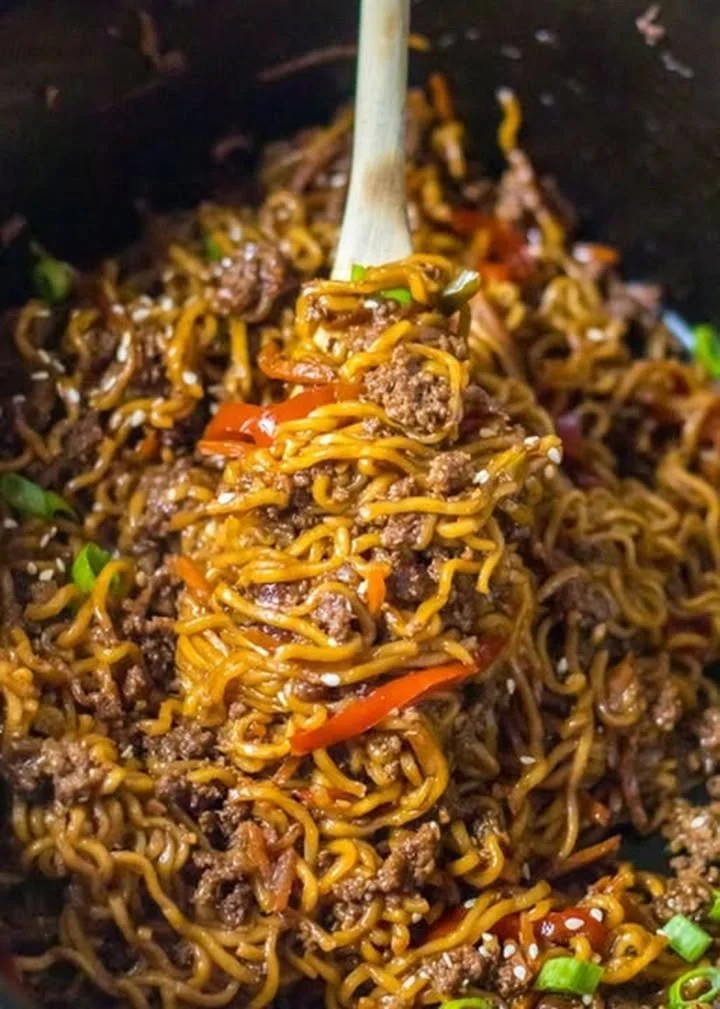
Feel free to get creative with your vegetables. While bell peppers and carrots work wonderfully, consider adding mushrooms, bok choy, or snap peas for varied textures and flavors. They will contribute their own characteristics to the overall dish.
Don’t Skip the Garnish
Green onions are more than just a pretty addition; they provide a crucial burst of freshness that brightens the rich broth. A squeeze of lime can also add a zesty twist, ensuring every bowl is balanced.
Storage and Freshness
Cool Before Storing
Allow your ramen to cool to room temperature before transferring it to an airtight container. This step is critical for maintaining freshness and preventing condensation that can make your noodles soggy.
Refrigeration
Store any leftovers in the refrigerator for up to 3-4 days. Keep in mind that the ramen noodles can absorb a lot of broth, so you might want to add a splash of broth when reheating to restore that wonderful consistency.
Freezing for Later
If you plan to freeze it, bear in mind that noodles tend to lose their texture. It’s best to freeze the broth and beef separately and cook the noodles fresh when you’re ready to enjoy the meal again.
Final Thoughts
Slow Cooker Beef Ramen Noodles is more than just a meal; it’s a heartfelt experience. Each ingredient plays a significant role in crafting not only a dish but also a cherished memory. As you savor each bite, take a moment to appreciate the tremendous effort that went into creating such a comforting bowl. What variations would you consider adding to make this dish your own?