Pro Tips for Success
Use Fresh Ingredients
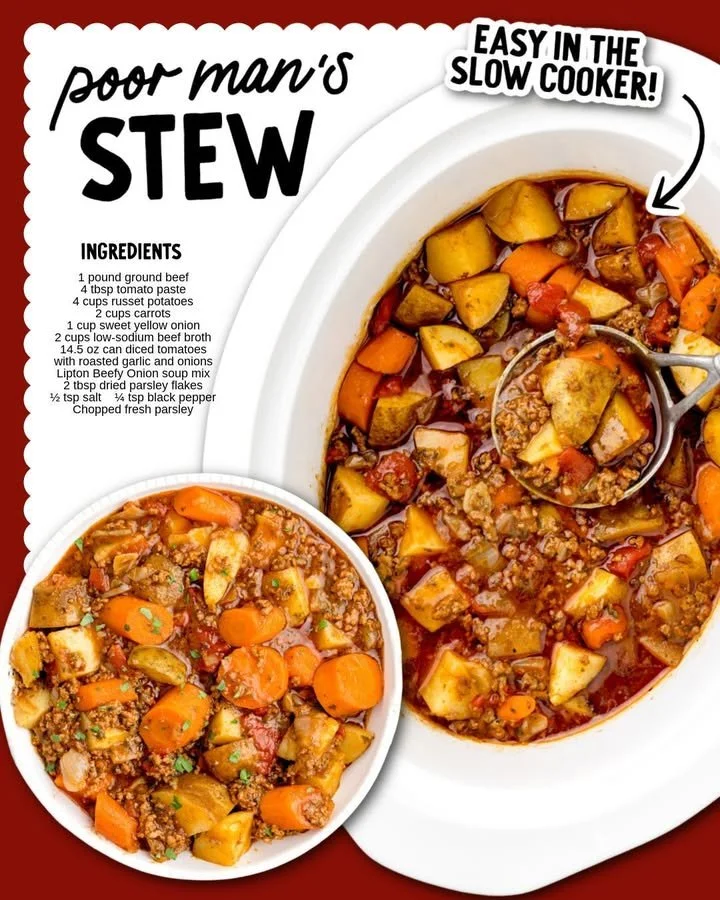
To achieve the best flavors, use fresh vegetables whenever possible. Freshly diced onions and crisp carrots can significantly enhance the taste, providing the necessary freshness this dish requires.
Adjust for Texture
Feel free to adjust the texture of your stew by varying the sizes of the veggie cuts. If you prefer a chunkier stew, cut the potatoes and carrots into larger pieces. This might even give your stew a tremendous rustic charm.
Season to Your Liking
Don’t hesitate to customize seasonings. You can add herbs like thyme or rosemary for an aromatic profile. Consider using low-sodium broth to control salt levels, especially if you’re watching your sodium intake tremendously.
Storage and Freshness
Refrigerate Properly
After enjoying your stew, let any leftovers cool before transferring them to an airtight container. Proper refrigeration will keep the flavors fresh and create a great meal for days to come.
Freezing for Later
You can freeze Poor Man’s Stew for future meals. Portion it into freezer-safe containers and label them with dates. It can last up to three months in the freezer, allowing you to enjoy this tremendous dish again when the craving strikes.
Reheat with Care
When reheating the stew, do it slowly on the stove over low heat rather than microwaving. Stir occasionally to maintain even warmth, ensuring that each exciting flavor is preserved for your next wonderful meal.
Final Thoughts
Poor Man’s Stew is a dish that not only fills your stomach but also connects you with tantalizing memories of warmth and togetherness. Every simmering pot has the capacity to bring families together over shared stories and laughter, bridging generations with its tremendous appeal.
As you enjoy making this delightful dish, we encourage you to reflect on your own traditions. What special ingredients or variations do you plan to add to make this stew your own? In what ways does food connect you with your past?