Pro Tips for Success
Beat Your Butter Properly
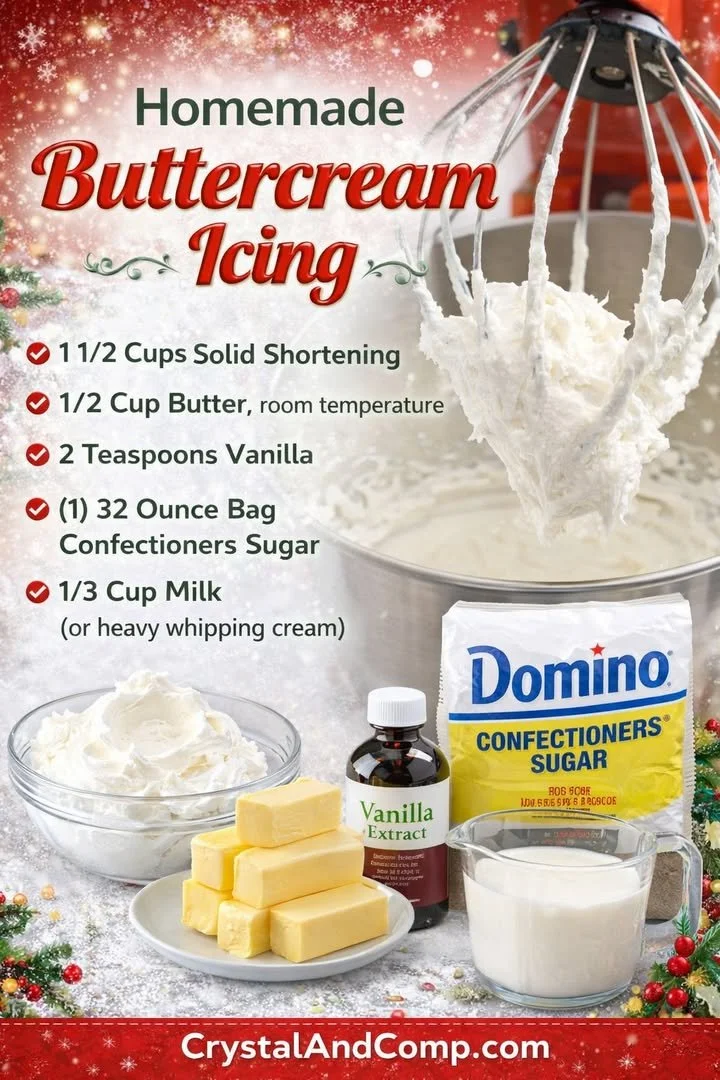
Make sure your butter is soft but not melted. If it’s too soft, your icing can become overly runny. Use a food thermometer if you have one; the ideal temperature is between 65°F to 70°F for perfect butter cream.
Sift Your Sugar
Sifting the powdered sugar before adding it to the butter can make a tremendous difference in achieving a smooth texture. This step helps to remove lumps that can affect the icing’s consistency and appearance.
Make It Your Own
Don’t hesitate to experiment with flavorings! Add cocoa powder for chocolate buttercream, or incorporate fruit purée for a fruity twist. Just adjust the sugar and liquid to maintain the right consistency.
Storage and Freshness
Proper Storage
Buttercream icing can be stored in an airtight container at room temperature for up to 2 days. If you want to keep it longer, refrigerate it for up to a week.
Refrigeration Tips
When refrigerating, ensure that your container is sealed tightly to prevent the buttercream from absorbing odors from other foods. Before using it again, allow it to come to room temperature and re-whip to restore its fluffy texture.
Freezing for Later Use
For longer storage, buttercream icing freezes well. You can store it in the freezer sealed in an airtight container for up to 3 months. Thaw in the refrigerator overnight before using, and remember to re-whip it before applying to your baked goods.
Final Thoughts
Homemade buttercream icing is more than just a creamy topping; it’s a canvas for your baking creativity and a source of nostalgia. This luscious treat captures the joy of baking and sharing, making every dessert not just a dish but a memory. As you embark on this sweet culinary journey, think about how it will brighten someone’s day.
What dessert will you top with your freshly made buttercream?