Pro Tips for Success
1. Crust Selection
Choose a high-quality pie crust, whether it’s homemade or store-bought. A flaky, buttery crust will enhance the overall texture of your pie. If you make it at home, blind-baking the crust for 10 minutes before adding the filling ensures it doesn’t become soggy.
2. Coconut Quality
Opt for a high-grade shredded sweetened coconut. The richness of your coconut directly influences the flavor of the pie. Also, consider toasting the coconut lightly before incorporating it in the filling for an added layer of depth in flavor.
3. Monitor the Baking Time
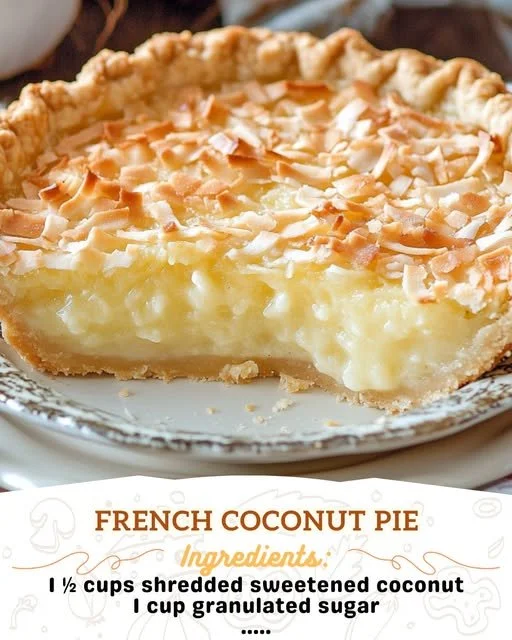
Oven temperatures vary, so keep a vigilant eye on your pie as it bakes. If the top starts to brown too quickly, you can cover it loosely with aluminum foil to prevent burning. A properly baked pie will be golden brown with a slight jiggle in the center when you gently shake it.
Storage and Freshness
1. Refrigeration
To maintain your pie’s integrity, store any leftovers in an airtight container in the refrigerator. This will keep the filling fresh and retain its texture for a few days.
2. Frozen Option
If you have leftover pie or want to prepare it in advance, consider freezing it. Wrap it well in plastic wrap and foil, then place it in a sealed bag. It can last for up to two months. When ready to serve, thaw it in the refrigerator overnight.
3. Reheating
If you’re serving a slice from the refrigerator, enjoy it cold for a refreshing treat. Alternatively, let it sit at room temperature for about 30 minutes. You can also warm it briefly in the oven at 200°F (93°C) for a cozy experience.
Final Thoughts
French Coconut Pie is a delightful testament to timeless desserts that bring warmth to the table. Its simple ingredients combine to create a wonderful experience that delights the senses and awakens precious memories. Whether you serve it to guests or enjoy it in quiet reflection, it is a dish that every home baker should cherish.
What cherished memories does this recipe evoke for you?