Pro Tips for Success
Rolling Right
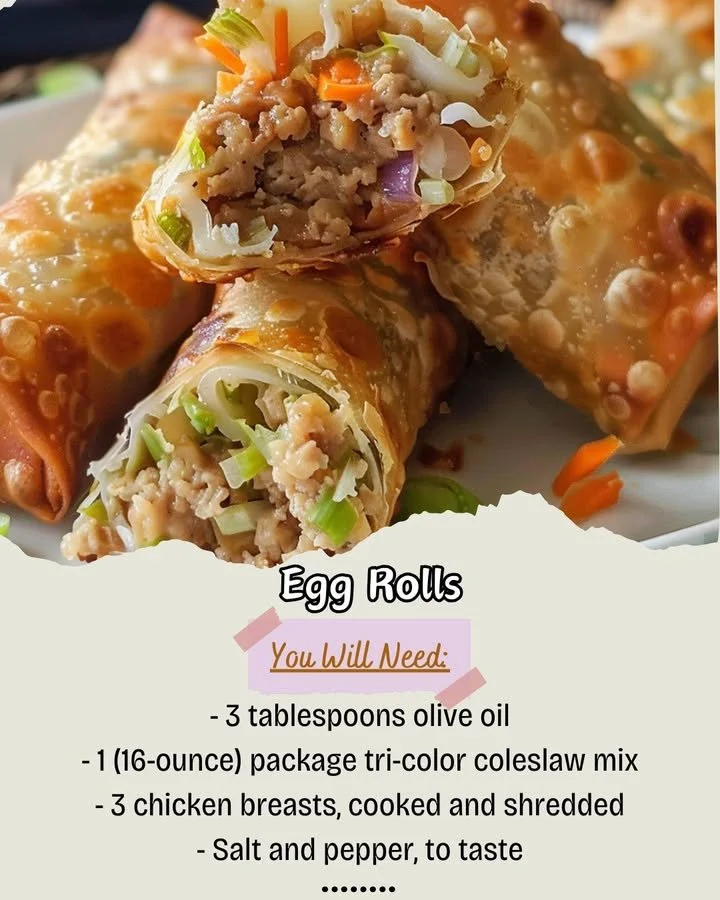
To achieve the perfect roll, ensure that you follow the folding technique closely. Tuck in the corners tightly and seal properly with water. A well-rolled egg roll will hold its shape during frying, ensuring you enjoy every bite.
Filling Options
Feel free to customize your filling! While chicken is excellent, you can use pork, shrimp, or even a vegetarian mix of mushrooms and tofu. The key is to balance flavors and textures, creating your own tremendous version of this dish.
Frying Safely
When frying, be careful of the hot oil. Use a deep frying thermometer to maintain the right temperature. If the oil is too hot, the egg rolls will brown too quickly and may remain uncooked inside. On the other hand, if it’s too cool, the egg rolls will absorb too much oil, resulting in a greasy finish.
Storage and Freshness
Storing Leftover Egg Rolls
If you have any leftover egg rolls, store them in an airtight container in the refrigerator. They can be kept for up to 3 days. Ensure they are completely cooled before storing to avoid moisture buildup.
Reheating Tips
For the best results when reheating, use an oven. Place the egg rolls on a baking sheet at 375°F (190°C) for about 10-12 minutes, or until heated through and crispy again. This method helps restore their original crunch.
Freezing for Later
You can also freeze egg rolls before frying. Lay them on a baking sheet to flash freeze, then transfer to a zip-top bag. When ready to cook, fry straight from frozen, adding a few extra minutes to the cooking time for a tremendous treat any time you desire.
Final Thoughts
In conclusion, egg rolls are more than just a dish; they embody a tradition of joy and celebration. The incredible combination of textures and flavors, paired with the nostalgia they inspire, make them a beloved favorite. As you indulge in these crispy delights, consider what fillings and flavors you might explore next. What will your tremendous twist on this classic dish be?